

As Napoleon’s Starship looms ever closer to planet Thror, I’ve decided it’s time to get everyone acquainted with the incredible ancient civilization he means to invade and plunder. While the campaign unfurls, I will be posting more frequently than usual, sharing a series of in-depth posts about the inhabitants of planet Thror, their appearance, their culture, their penchant for elaborate masks, the secrets of their enigmatic scent language, their ancient art, and daily life.
Today’s transmission is all about the Stratinites, an ancient culture that inhabited Thror for centuries and left behind a wealth of mysterious subterranean chambers, beautiful art and some very dramatic historical records. But today we will not be talking about revolutions, brutal assassinations, and horribly disfigured corpses.
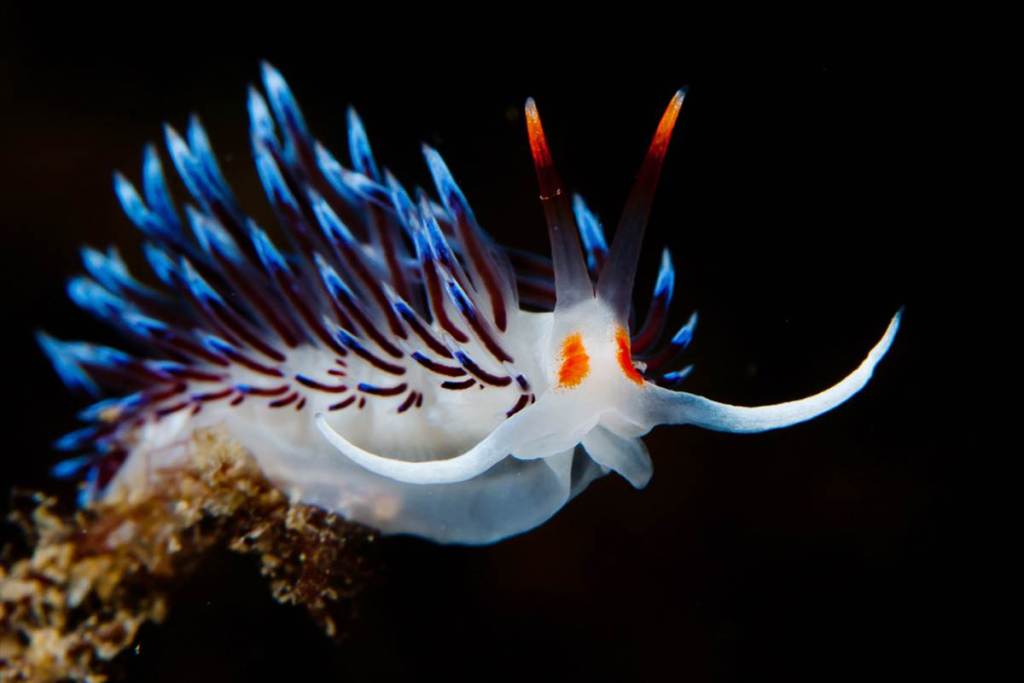
This post is about hair, or lack thereof. Instead of hair, the Stratinites have something similar to the cerata of Earthian sea slugs or the external gill rami and filaments of axolotls. The cerata of the Stratinites are just as vibrantly colored and sometimes phosphorescent and they can also absorb oxygen and nutrients from air and water.

As the Stratinites are much larger than our sea slugs (just taller than the average modern human), their cerata are far longer and more powerful and can operate on land as well as underwater.
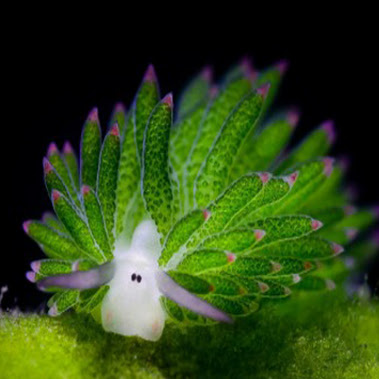
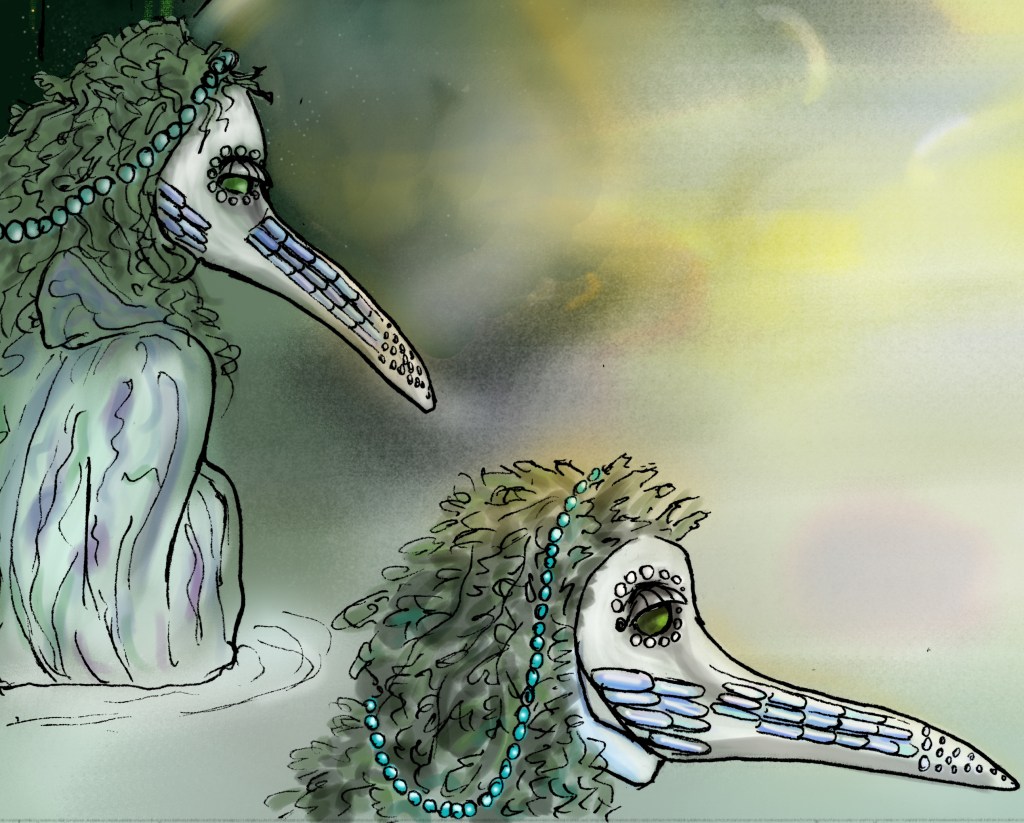
Fragile and vulnerable, but also beautiful and surprisingly agile, Stratinite cerata are equally a source of vanity and anxiety. They can change color in moments of danger or strong emotion, much as a human face can grow pale or blush. As cerata are much thicker and more sensitive than human hair, Stratinites avoid sharp or constricting ornaments, preferring loose styles and light but bold details.
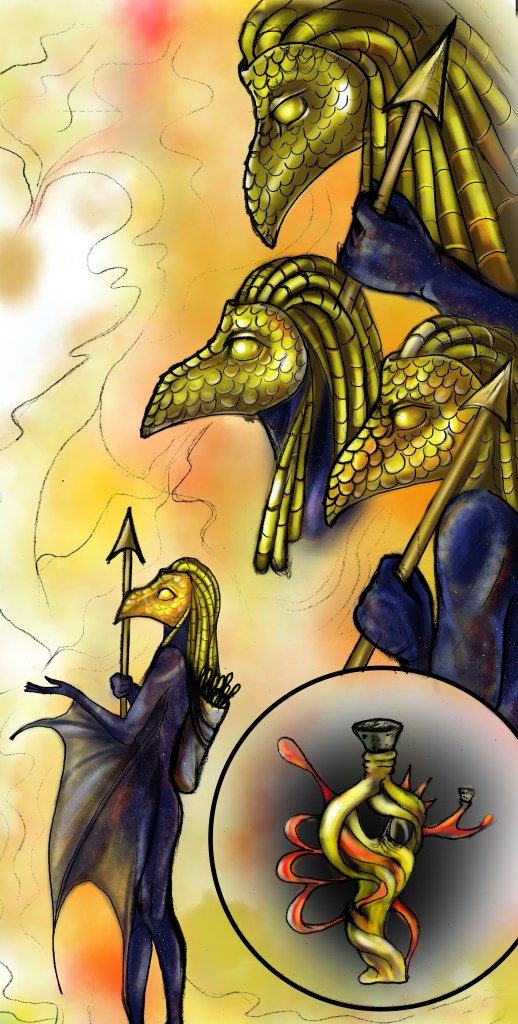
Much thought and effort is lavished on protecting one’s cerata. The Military even wears specially designed armor – each ceras is individually plated with flexible tubes of impenetrable Bjornium metal.
The Tunnellers who work in harsh conditions, digging tunnels and passageways in the planet’s frozen core protect their cerata from flying shards of rock and sub-zero temperatures with thick leather “head aprons.”
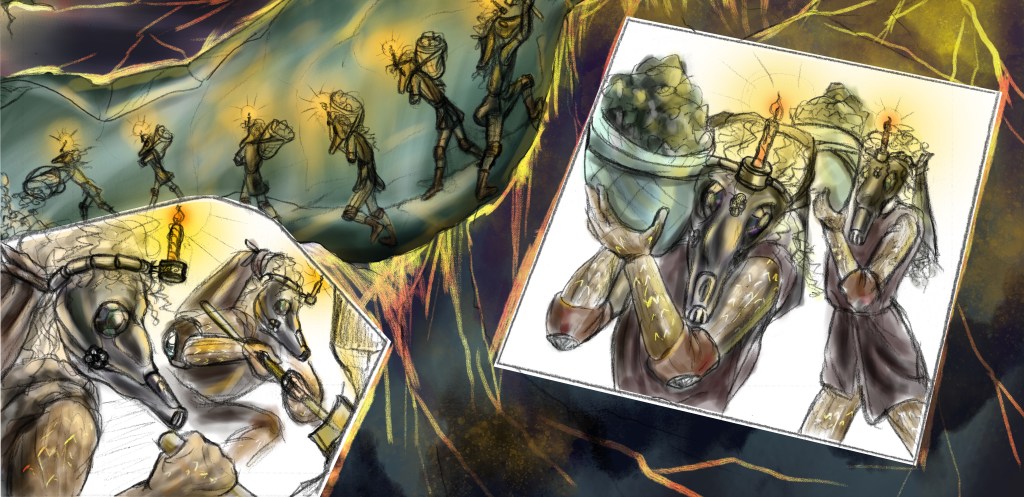
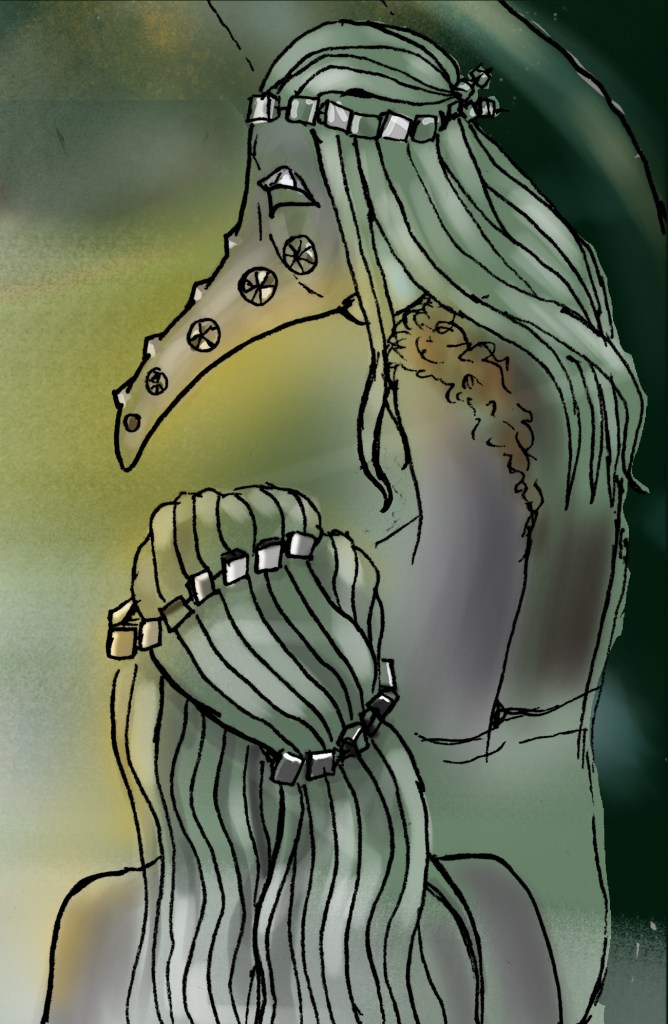
Some of the busier Stratinites, like Treasurers and Scientists, find innovative and practical uses for their muscular cerata. The cerata of the Treasurer below seem as delicate as those of the sea slug beside him, but they are dexterous enough to hold on to his most precious and secret keys at all times. He never has to let them out of his sight (or head).
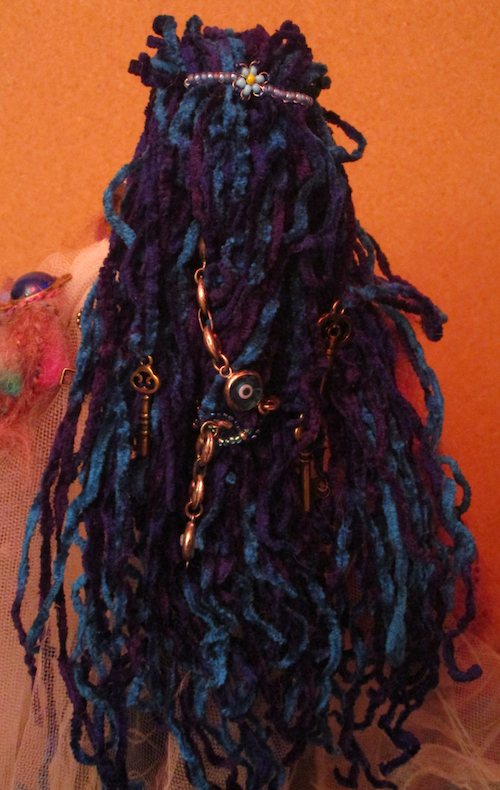
This Scientist has cleverly woven nose plugs into his front cerata, always ready to block out a poisonous or foul-smelling chemical. On Thror, it’s always best to be prepared for a poisonous gas attack.
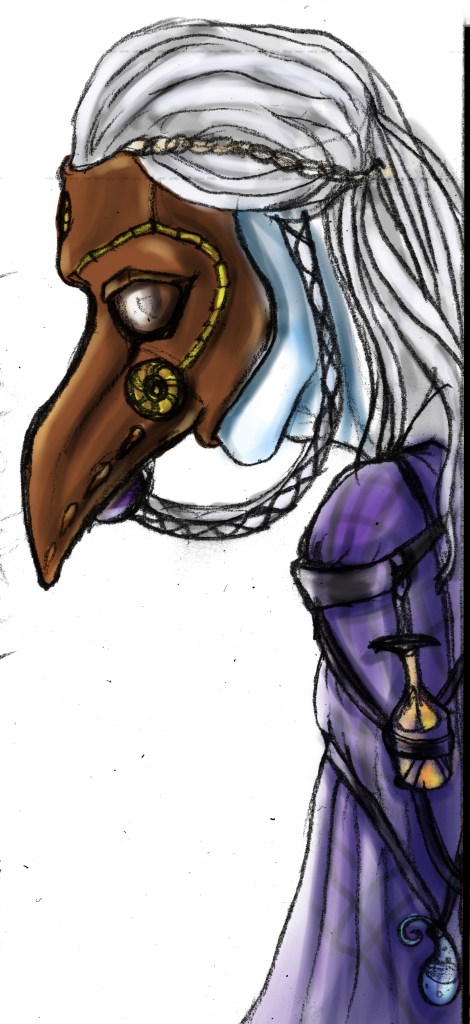
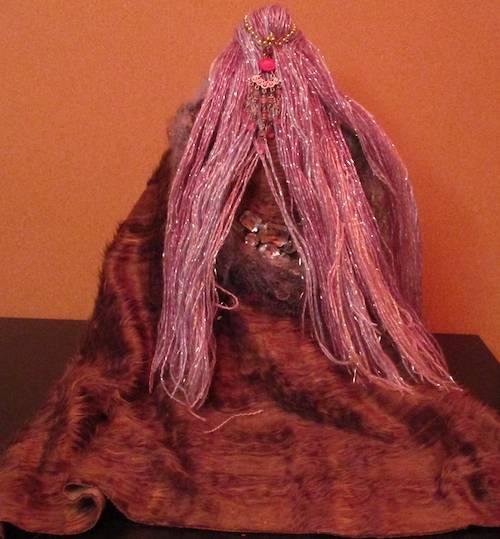
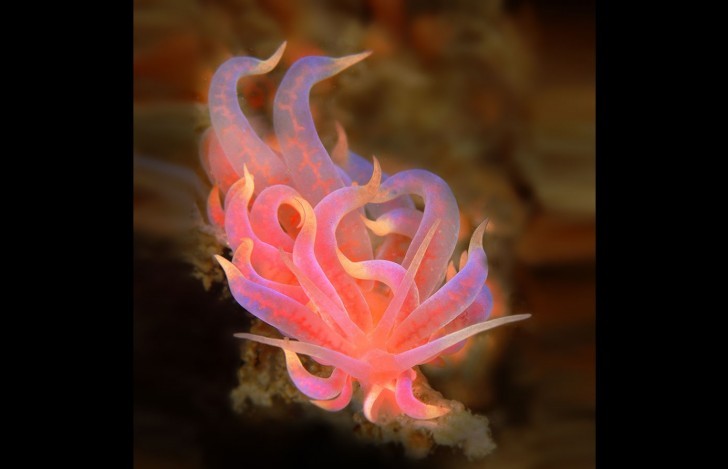
The length, color and condition of one’s cerata are also a mark of status. The higher up a Stratinite is and the less he is exposed to danger and hard manual labor, the more he can allow his cerata to grow long and flow freely. The Grand Vizier (below) takes great pride in the sophisticated blue-rose hue of his fine, floor-length cerata. They are almost translucent like those of this gorgeous sea slug below him and every bit as decorative. Of course he can’t get far trailing those around after him.
Find out more about the fascinating civilization of planet Thror and what happens when their planet is threatened by ruthless galactic emperor Napoleon in my graphic novel, Napoleon’s Starship, coming soon from Wayward Raven Media.
Our Kickstarter is live and there is still time to make your pledge and witness the wonders of planet Thror with your own eyes!


wow! Amazing
LikeLiked by 1 person