This week’s Tuesday post is a tale of two tea sets.
My research for both of my in-progress projects has unexpectedly taken me deep into the fascinating world of historical tea sets, their use and misuse.
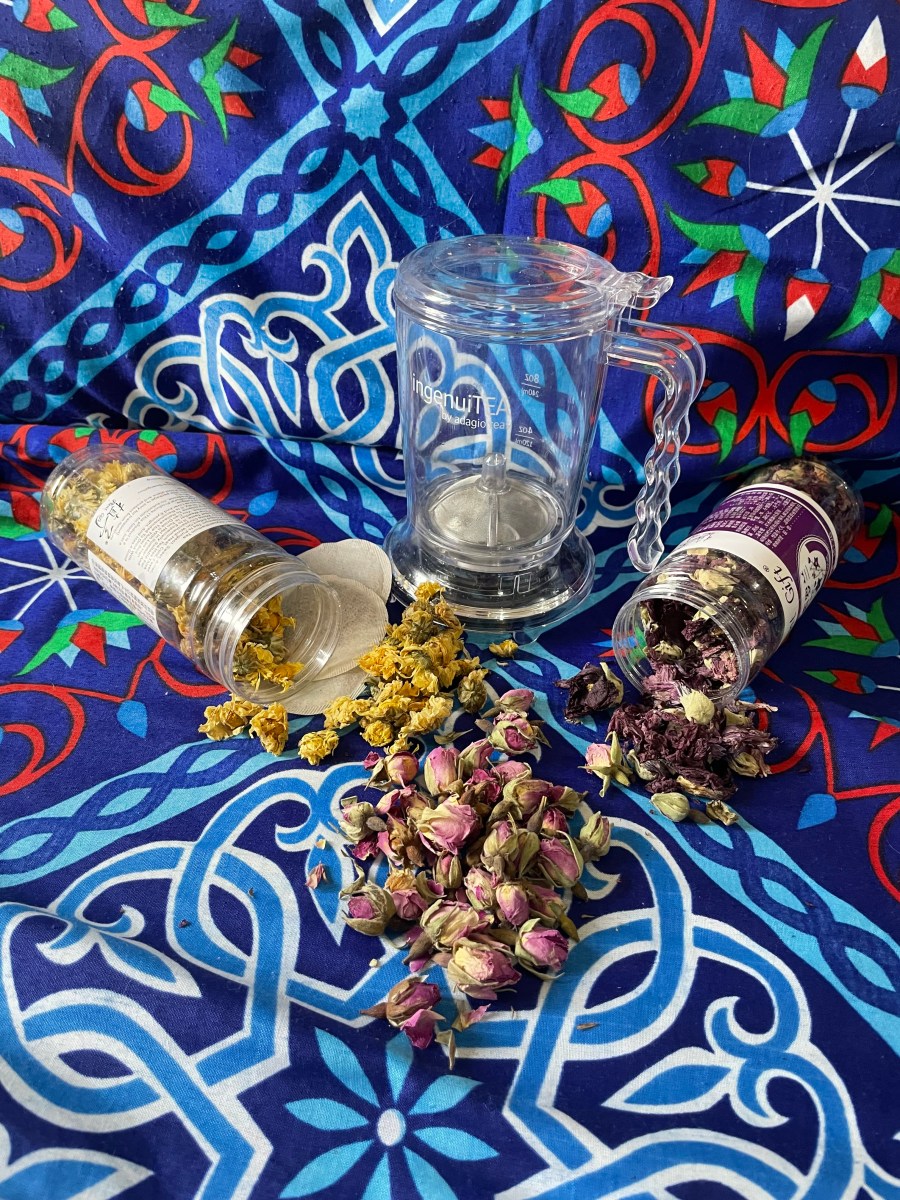
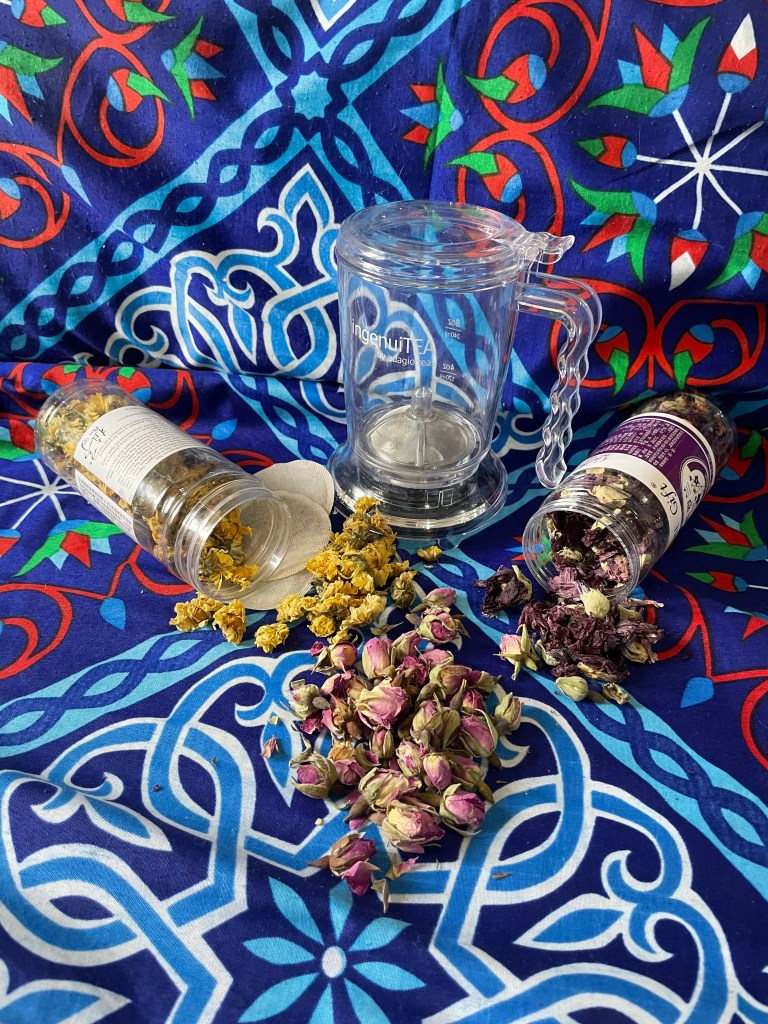
I admit I’m quite an admirer of the art of tea myself. I’ve even traveled into the deserts of Egypt with my own tea infuser, a collection of dried leaves and flowers, and some of my favorite tea blends. Nothing helps me shake off the sand and heat of a tough day at work better than a cup of lavender blueberry green tea!
I’ve discovered the protagonists of both The Metamorphist and Phantoms of Vendôme have deeply emotional and complicated relationships with tea sets. The tea sets I have selected for them are as different as the characters and their circumstances. I wanted them to reflect the pasts, the preferences and even the traumas of their owners, as well as the very different functions for which they are used.
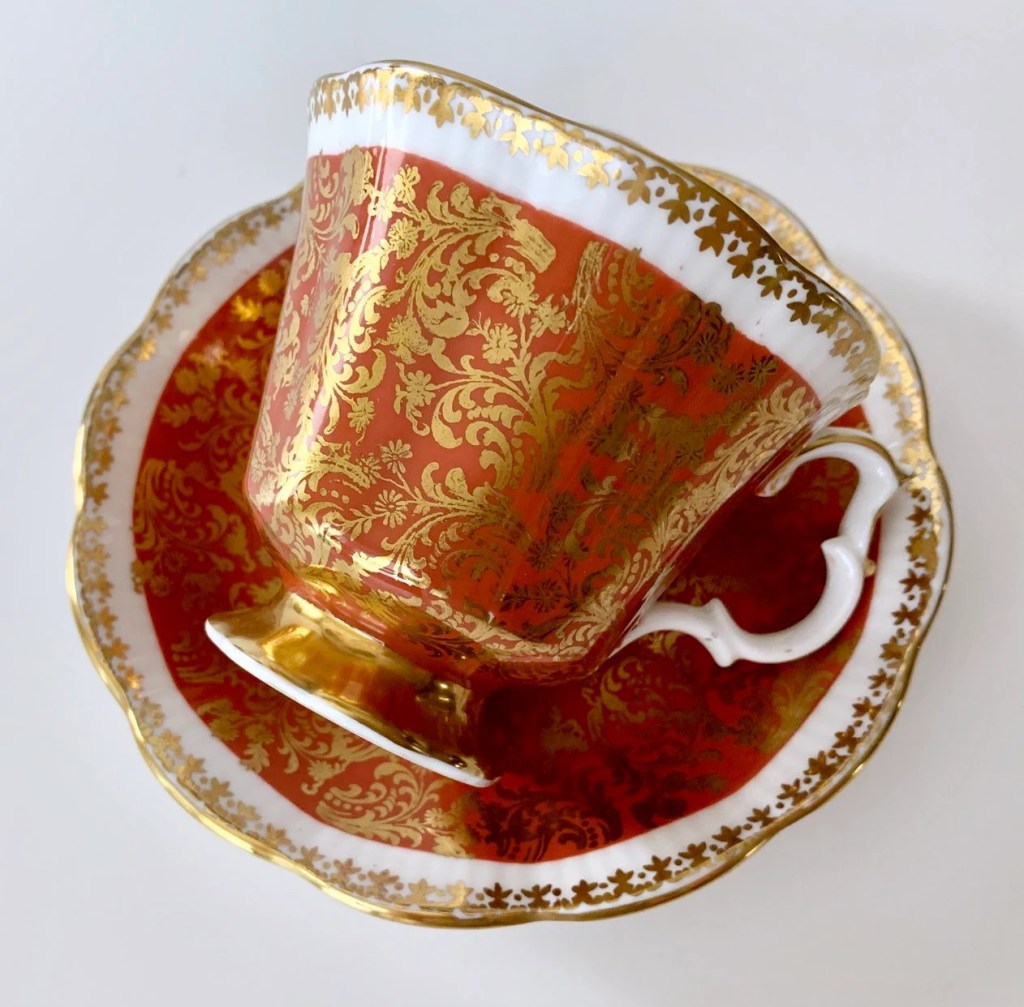
Proteus’s tea set in The Metamorphist had to be cozy but extravagant, reflecting equally his yearning for a peaceful, comfortable life as a shapeshifting rabbit and his natural inclination toward opulence and beauty as an exiled sea prince.
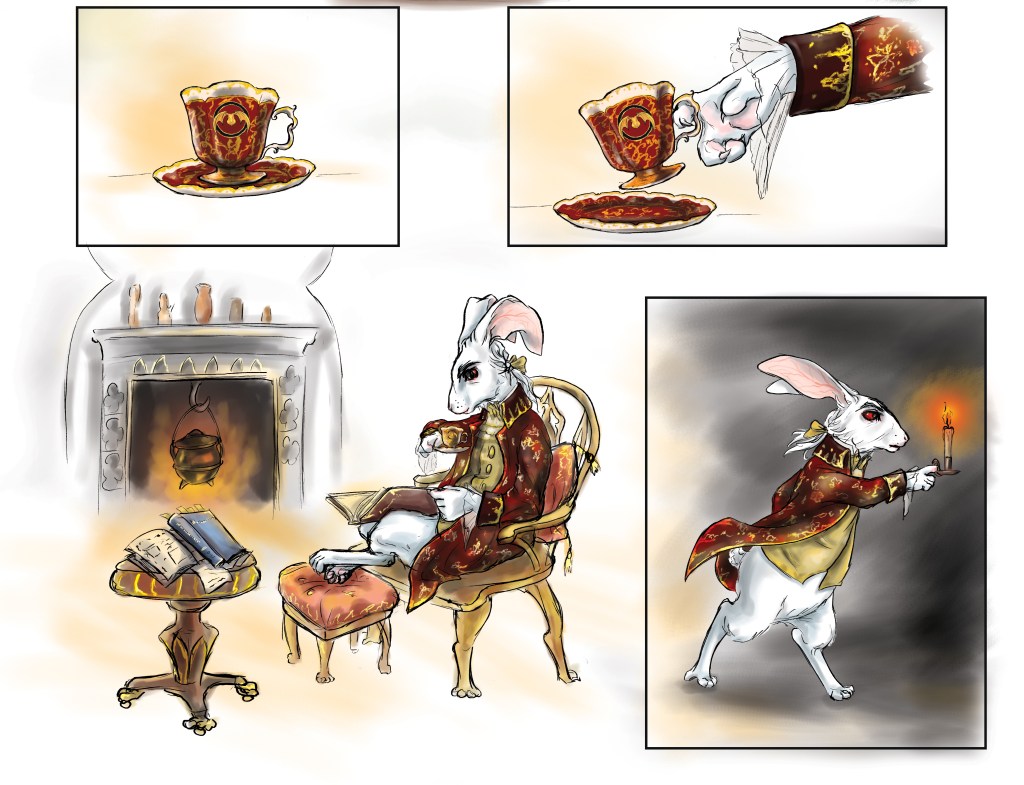
18th and early 19th century tea sets are extremely dainty, but don’t match the color scheme of Proteus’s magnificent coat.
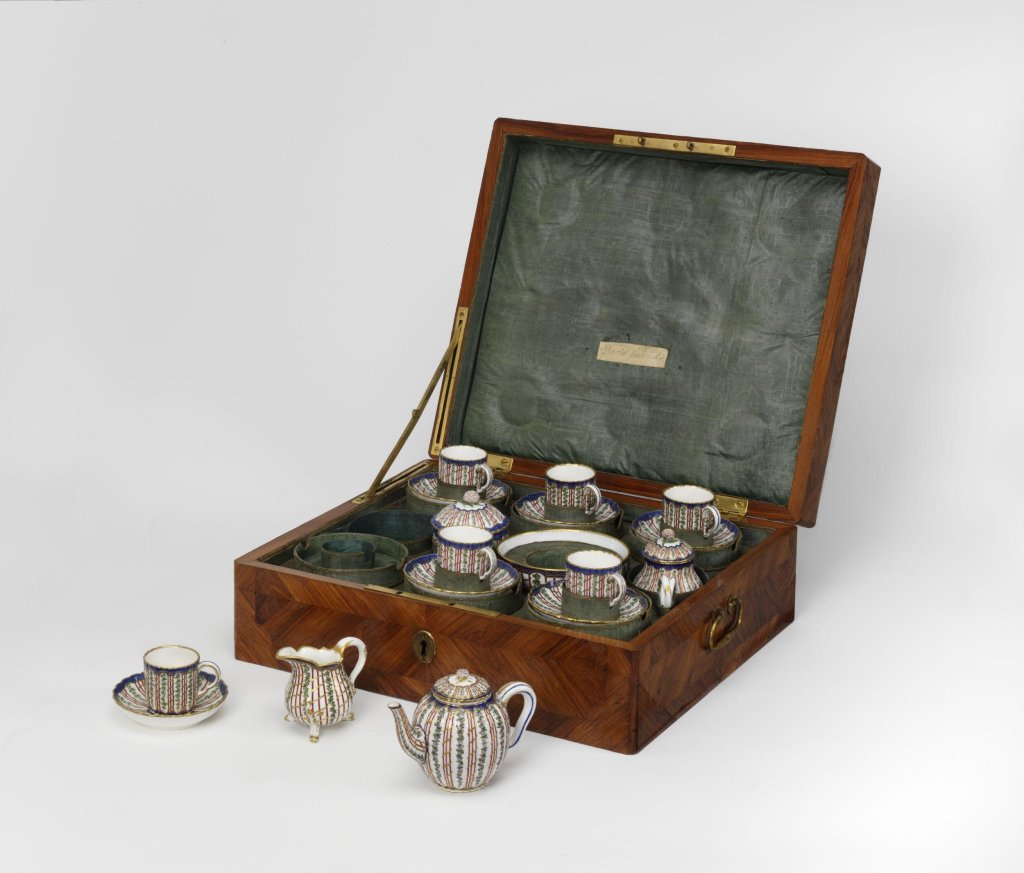
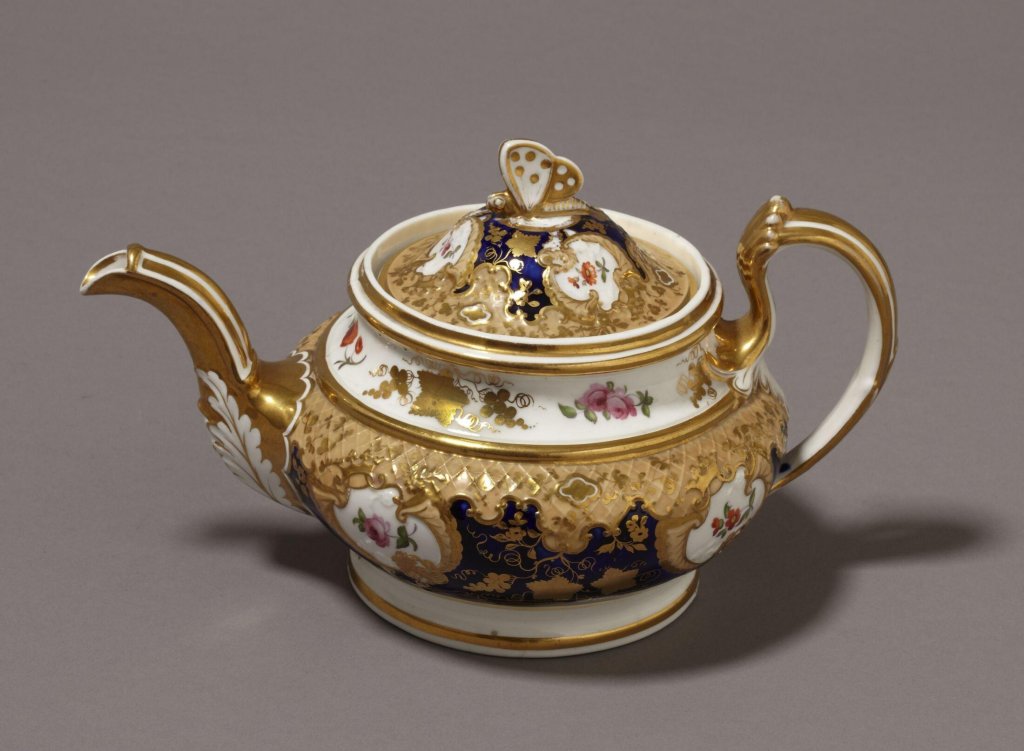
I chose a modern set inspired by earlier prototypes and designs as my reference.
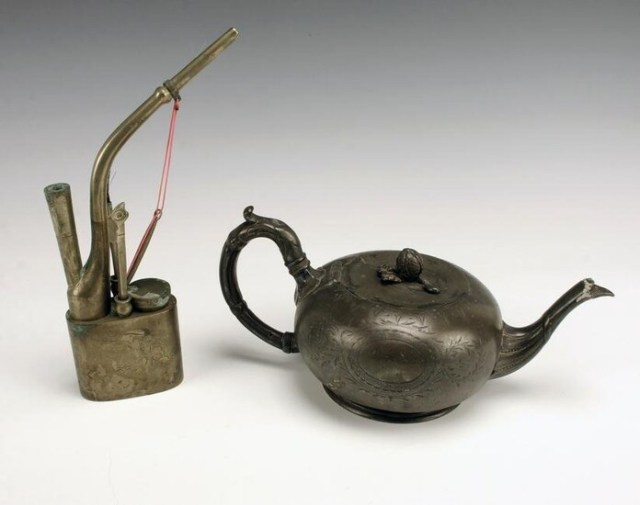
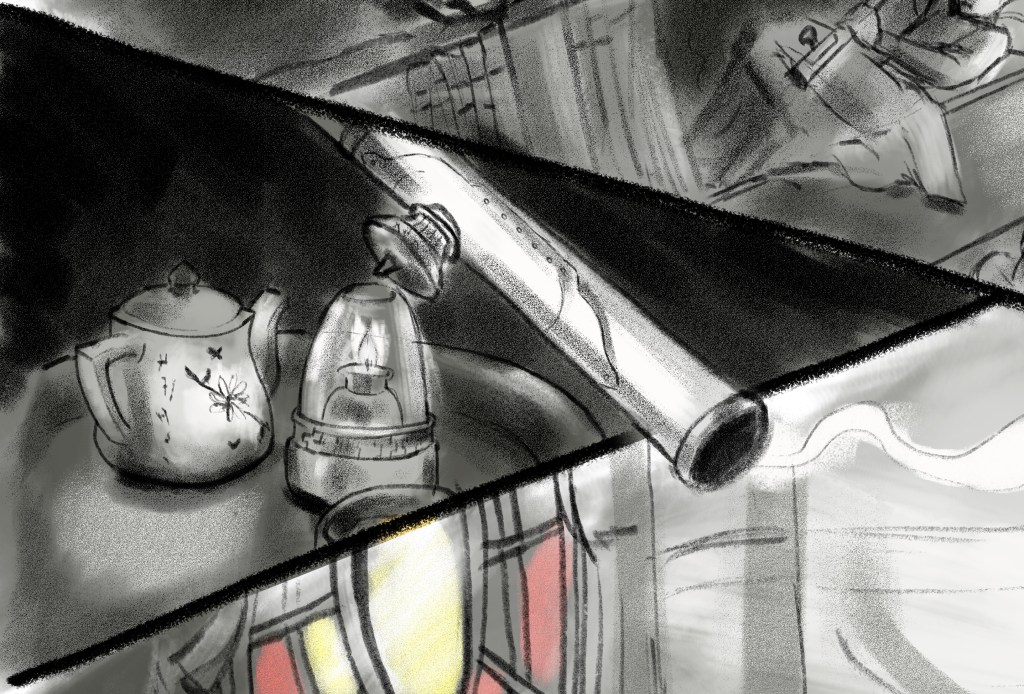
My suicidal, disfigured, and dishonored hero from Phantoms of Vendôme prefers opium in his tea pot. Opium dens give Richard temporary relief from the terrible pain he feels in his broken face and his broken heart. His flight escadrille disappeared in flames and he was falsely exposed as a German spy and murderer of his fellow pilots. Drug induced hallucinations are his last chance to see them in their former glory as knights of the air. In my research, I used photographs of real opium dens from 1920s Paris and pieces from museum collections.